

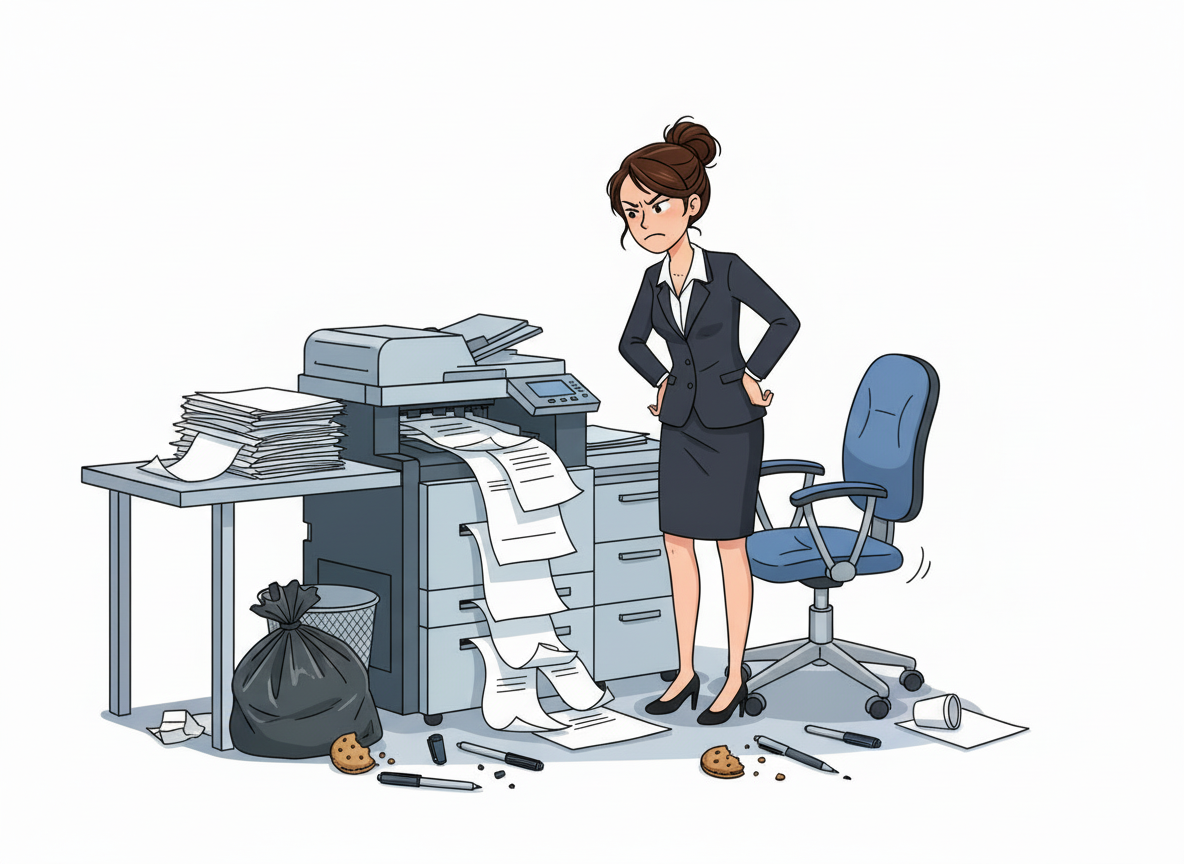
There is a temptation that every business owner and office manager knows well. You are browsing a supplier’s website, and you see it: a box of ballpoint pens for £1.99. A ream of copy paper for £2.50. A pack of 100 suspension files for a tenner. The price is so low that buying the cheap option feels like responsible financial management. It feels like saving money.
But here is the uncomfortable truth that procurement professionals understand and everyone else learns the hard way: cheapest is almost never cheapest. The upfront price tag on a budget office supply is only the beginning of the story. What follows is a trail of hidden costs wasted time, ruined equipment, frustrated staff, and environmental damage that can make that “bargain” pen the most expensive item in your office.
Based on procurement best practices and insights from office efficiency experts, here is a comprehensive look at the hidden costs of cheap office supplies and how to avoid them.
The Illusion of Savings
Before diving into specific categories, it is worth understanding the psychology at play. When you buy a cheap item, the saving is visible and immediate. You see the £8 difference at the checkout. The costs of that cheap item, the jammed printer, the torn bin bag, the illegible handwritten note are delayed and diffuse. They show up later, in different budgets, and are rarely traced back to the original “bargain” purchase.
This is the illusion of savings. To see through it, you must shift your thinking from unit price to total cost of ownership or cost per use. A pen that costs 10p and lasts one day is more expensive than a pen that costs £1 and lasts three months. A ream of paper that costs £2.50 but jams your printer, requiring a £100 service call, is the most expensive paper you never want to buy again.
- The True Cost of Cheap Printer Paper
Cheap paper is perhaps the most dangerous “bargain” in any office. It seems harmless paper is paper, right? Wrong.
- What Happens:
Budget paper is often made with lower-quality fibres, higher moisture content, and inconsistent thickness. It may contain more dust and debris from the manufacturing process. When you run this paper through a modern, high-speed copier or printer, several things go wrong:- Jams: Inconsistent thickness and excess dust cause paper to stick together or misfeed, leading to frequent jams.
- Roller Damage: The dust and debris from cheap paper coat the printer’s rollers, reducing their grip and causing them to wear out faster.
- Fuser Issues: Cheap paper may not withstand the heat of the fuser unit, leading to curling, wrinkling, or incomplete toner bonding.
- Toner Waste: If toner doesn’t bond properly, prints look faded or patchy, leading to reprints and wasted toner.
- The Hidden Costs:
- Service Call-Outs: A single printer jam that requires a technician visit can cost £80–£150. If cheap paper causes just one such visit per year, it has wiped out any “savings” from a year’s worth of budget paper purchases.
- Reduced Printer Lifespan: Excess dust and debris accumulate inside the machine, shortening the life of critical components like rollers, drums, and fusers. This means replacing the printer years earlier than necessary.
- Employee Frustration: Every minute an employee spends clearing a jam is a minute they are not doing their job. Multiply that by dozens of jams across the year, and the labour cost dwarfs the paper saving.
- How to Avoid It:
- Buy paper with a recognised brand and a stated brightness level (at least 90 for general office use). Brightness scale is 0-100 with the highest number being the brightest paper.
- Look for paper specifically labelled as suitable for high-speed copiers or laser printers.
- Check the basis weight (80gsm is standard; anything lighter is prone to jams).
- Buy from reputable office supply companies, not the cheapest unknown brand on a marketplace.
- The True Cost of Cheap Pens
It seems trivial to worry about pens. They are small, easily lost, and so inexpensive that writing off their cost feels natural. But cheap pens have a hidden cost that shows up in surprising places.
- What Happens:
Budget pens are made with low-quality ink, inconsistent ball bearings, and cheap barrels.- Ink Problems: The ink may skip, blob, or fade. It may not dry quickly, leading to smudged documents. It may freeze in cold temperatures or leak in heat.
- Barrel Failure: Cheap plastic barrels crack easily. The cap may split. The clip may snap off.
- The “Throwaway” Mentality: Because the pen cost almost nothing, employees treat it as disposable. They don’t bother to return it to the stationery cupboard. They borrow one, use it for an hour, and leave it on a meeting room table where it rolls away and is never seen again.
- The Hidden Costs:
- The “Disappearing Pen” Cycle: When pens are cheap and disposable, employees stop valuing them. This creates a self-perpetuating cycle of loss and reordering. The office manager spends time tracking inventory, processing orders, and restocking cupboards, all for an item so cheap it shouldn’t require this much administrative overhead.
- Professional Presentation: If you hand a client a pen to sign a contract and it skips or fails to write, you look unprofessional. If you use a cheap pen to write a handwritten note to a client, the smudged, inconsistent ink reflects on your brand.
- Environmental Cost: Millions of cheap plastic pens end up in landfills every year. They are rarely recyclable due to mixed materials (plastic, metal, ink residue).
- How to Avoid It:
- Invest in mid-range, reliable pens from reputable office brands (Pilot, Bic, Paper Mate). These pens cost slightly more but write consistently and last longer.
- Consider a “pen amnesty.” Collect all the cheap, half-dead pens from desks and replace them with a smaller number of quality pens in a central location. Employees will take better care of a pen they know has value.
- Explore sustainable options like refillable pens or plantable pens that reduce plastic waste and signal environmental responsibility.
- The True Cost of Cheap Bin Bags and Cleaning Supplies
This category sits in the “janitorial” budget, often managed separately from office supplies. But the principles are the same and the hidden costs can be surprisingly large.
- What Happens:
- Ultra-Thin Bin Bags: Cheap bin bags are made from thinner plastic. They tear easily when lifted, especially if the bin contains heavy or sharp items. The result? Rubbish spills across the floor. Now someone has to clean it up—twice. Once to pick up the spillage, again to re-bag it.
- Low-Quality Cleaning Fluids: Cheap cleaning products may be watered down or contain less effective active ingredients. Staff have to use more product to achieve the same result. Bottles run out faster. Surfaces may not be properly sanitised.
- Flimsy Sponges and Cloths: They fall apart after one use, shedding fibres and requiring constant replacement.
- The Hidden Costs:
- Labour Time: Every time a bin bag tears, you pay an employee (or a cleaner) to deal with the mess. Every time a cleaning fluid runs out quickly, someone has to stop what they are doing to fetch more. This labour cost rapidly exceeds the tiny saving on the bag or bottle.
- Health and Safety: A bin spillage can create a slip hazard or a hygiene issue. Inadequate cleaning products may leave bacteria behind, potentially leading to illness among staff.
- Double-Bagging: When employees lose confidence in cheap bags, they start using two bags per bin. This doubles your bag consumption, wiping out any per-unit saving.
- How to Avoid It:
- Buy bin bags with a stated micron thickness (at least 10 –12 microns for general office use). A slightly thicker bag costs pennies more but saves pounds in spillage cleanup.
- For cleaning fluids, buy concentrated refills. They cost less per use, generate less plastic waste, and ensure consistent quality.
- Establish a “good enough” standard. Test different products until you find the cheapest one that actually works without requiring extra labour or quantity.
- The True Cost of Cheap Furniture
This is a larger investment category, but the hidden costs are correspondingly larger. Cheap office furniture is a classic false economy.
- What Happens:
- Particle Board Desks: Budget desks are often made from low-density particle board that sags underweight, chips at the edges, and disintegrates if ever damp.
- Unstable Chairs: Cheap office chairs lack proper lumbar support, have shallow seat cushions that compress quickly, and use gas lifts that fail.
- Assembly Nightmares: Flat-pack budget furniture often comes with poorly translated instructions, missing screws, and pre-drilled holes that don’t align.
- The Hidden Costs:
- Staff Health: The biggest cost here is ergonomic. A cheap chair that offers poor support can cause or exacerbate back pain, leading to discomfort, reduced productivity, and even absenteeism. The cost of one day’s sick leave for an employee earning £100 is more than the price difference between a budget chair and a decent one.
- Replacement Frequency: Cheap furniture may need replacing every 2–3 years. Good quality office furniture can last 10–15 years. The long-term cost of buying cheap multiple times far exceeds the upfront cost of buying quality once.
- Professional Image: Wobbly desks, chipped laminate, and sagging shelves do not impress clients. Your office environment communicates something about your business. Cheap furniture says, “we cut corners.”
- How to Avoid It:
- Apply the “cost per year” test. A £100 chair that lasts 2 years costs £50 per year. A £300 chair that lasts 10 years costs £30 per year. The “expensive” chair is actually cheaper.
- Prioritise ergonomics for chairs. Look for adjustable height, lumbar support, and breathable mesh backs.
- Buy from reputable office furniture suppliers with warranties, not the cheapest option from a liquidator.
- The True Cost of Cheap Toner and Ink Cartridges
This is perhaps the most notorious hidden cost in the office supplies world. The aftermarket toner market is flooded with “compatible” or “remanufactured” cartridges sold at a fraction of the OEM (Original Equipment Manufacturer) price. They are tempting. They are also a gamble.
- What Happens:
- Poor Print Quality: Cheap toner may not bond properly, leading to faded prints, smudging, or uneven coverage. It may leak powder inside the printer.
- Printer Damage: Low-quality toner can contain particles of the wrong size or chemical composition. These can clog the printer’s delicate components, coat the drum unit, or damage the fuser roller.
- Chip Errors: Many modern printers use chips to verify cartridges. Cheap compatibles often have poorly programmed chips that trigger error messages, refuse to show accurate toner levels, or cause the printer to stop working.
- The Hidden Costs:
- Printer Repair or Replacement: A single cheap toner cartridge that leaks or damages your printer can void your warranty and cost hundreds of pounds in repairs. This one event can wipe out the savings from dozens of cheap cartridges.
- Wasted Paper: If print quality is poor, users reprint documents. This doubles paper and toner consumption for every failed print job.
- Downtime: When a cheap cartridge fails mid-print run, work stops. Someone has to clean up the mess, source a replacement, and restart the job. That time costs money.
- How to Avoid It:
- Be wary of “too good to be true” prices on toner. If it’s 80% cheaper than the OEM cartridge, there is a reason.
- If you use compatible cartridges, buy from a reputable remanufacturer with quality guarantees, not the cheapest seller on an online marketplace.
- Consider high-yield OEM cartridges. They cost more upfront but have a lower cost per page and are guaranteed not to damage your equipment.
- Look for suppliers who offer a 100% satisfaction guarantee on their compatible products.
- The Administrative Cost of Managing Cheap Supplies
There is a meta-level hidden cost that applies across all categories: the administrative burden of managing cheap, disposable items.
- What Happens:
When supplies are cheap and unreliable, they need to be ordered more frequently. Pens disappear, so you order more. Paper jams, so you need to reprint and reorder. Bin bags tear, so you go through boxes faster. Filing cabinets fill with broken furniture waiting for disposal. - The Hidden Costs:
- Procurement Time: Someone in your business spends time researching, ordering, receiving, and stocking these supplies. If you are ordering twice as often, that person spends twice as much time on office supplies.
- Inventory Space: Cheap supplies often come in bulky packaging. More frequent orders mean more deliveries, more boxes, and more storage space required.
- Vendor Fragmentation: If you buy cheap items from multiple sources to get the lowest price, you create administrative complexity. Multiple invoices, multiple delivery schedules, multiple accounts to manage.
- How to Avoid It:
- Consolidate your spend with a single, reputable supplier who offers a broad range of quality products.
- Negotiate better pricing based on your total spend, rather than chasing the lowest unit price on individual items.
- Implement a simple inventory system so you know what you have and what you actually need, reducing the frequency of “panic orders.”
The “Buy Nice or Buy Twice” Principle
There is an old saying in procurement: “Buy nice or buy twice.” It captures the essence of the hidden costs of cheap supplies. The cheap option is rarely the end of the story. It is often the beginning of a longer, more expensive tale involving repairs, replacements, wasted time, and frustrated staff.
This does not mean you should buy the most expensive option in every category. It means you should shift your mindset from lowest upfront price to best long-term value. Consider the total cost of ownership. Consider the cost per use. Consider the impact on productivity, equipment lifespan, and professional image.
A pen that costs 50p and lasts three months is cheaper than a pen that costs 10p and lasts three days. A bin bag that costs 5p and doesn’t tear is cheaper than a bag that costs 2p and spills rubbish across your floor. A printer that costs £500 and lasts five years with quality paper is cheaper than a printer that needs replacing every two years because cheap paper destroyed its internals.
The next time you are tempted by a “bargain” box of pens or a “too good to be true” ream of paper, pause. Ask yourself: what is this really going to cost me? The answer might surprise you.